


Why Brains Love Learning Through Play
From building paper rockets and sticking together planes to creating magical fairies, crafting turns an ordinary afternoon into heaps of fun. And while the hours whizz by, little ones forget about screens and you get to finish a hot cuppa, there is a lot more going on. Brains love learning through play, and there is good science behind why. So while they are loving the fun, here is what their brains are loving too.
Children are natural scientists
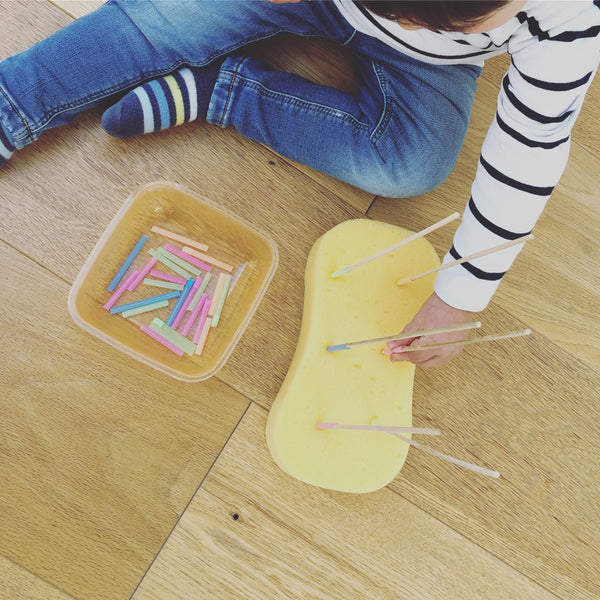
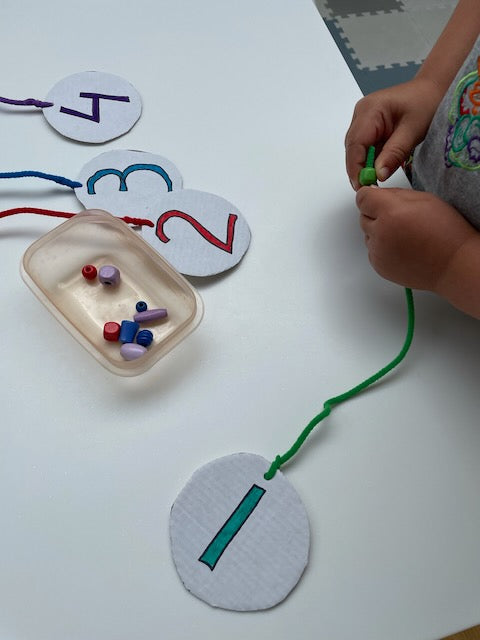
Children are not born to learn from textbooks. We come into the world ready to learn by experimenting: touching, testing, taking apart and trying again. Finding natural outlets for that is getting harder in a world where so many experiences now come through a screen. Hands-on play gives brain development somewhere to happen. Every My Mini Maker kit leaves room for children to find their own way, explore and develop their own way of learning, and while their hands are busy sticking, gluing and cutting, their brains are working just as hard.
Joy strengthens skills
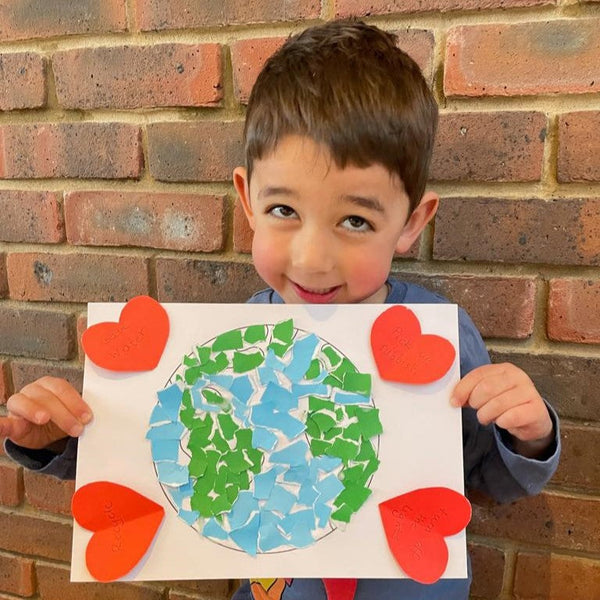
Anything that brings joy does a lot of good on its own; it settles the nervous system, which is reason enough for a favourite film, book or ice cream. But joy is also a gift that keeps giving. When children enjoy what they are doing, the brain's reward system releases dopamine, and that strengthens memory, creativity and motivation. Children who have fun learning are more likely to remember what they learned, to show off their new skill, and to want to carry on.
Curiosity likes to roam
Children have very curious brains. They love to ask why. That question is a vital part of how they learn: it is how they work out why planes have wings, why the Moon is so far away, and why you keep going on about shoelaces. Curiosity needs somewhere to roam, and play gives it a playground. Every kit is a new world to explore, whether the jungle, space or the land of the dinosaurs, and while they are having fun they are feeding that curiosity, building skills and starting to dream about what they might do one day.
How to encourage learning through play
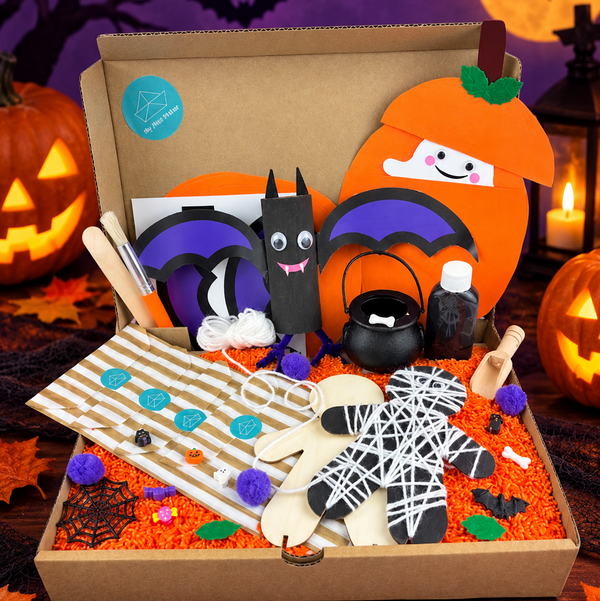
You do not need special equipment. On the drive to school, count the red cars. In the garden, hunt for different bugs and flowers. In the kitchen, let them weigh the flour. For a monthly dose of creative play delivered to your door, our kits do the planning for you: everything in one box and a new theme every month for children aged 3 to 9, from sensory kits and activity kits to project kits. For free ideas to try today, our activity ideas library has step-by-step guides with materials lists.
Clever take-aways
Children's brains are built to learn through play. Play gives curiosity an outlet, and the joy of it strengthens memory, creativity and motivation. Finding screen-free ways to do that is only getting harder, and one of the reasons My Mini Maker exists is to make it easier for grown-ups. We believe fun is serious stuff, and our kits are packed with hours of it.
Ready to explore? Start a monthly activity kit subscription, or read what skills children develop through crafting and why we are obsessed with fine motor skills.
P.S. One of the biggest lessons we have learned is that there is a whole lot of magic in having fun.
Leave a comment