

MyMiniMaker
Sensory Play Ideas for Kids: Sensory Trays, Messy Play and More
Simple, low-cost sensory play ideas for children aged 3 and up. From rice and water trays to messy play and taste-safe options, each guide covers what you need, how to set it up, what children practise while they play, and how to keep the mess under control.
Sensory play guides

Sensory Play · Updated 14 September 2026
Sensory Tray Ideas for Kids: Safari, Farm and Ocean Trays to Make at Home
Three simple sensory trays you can set up in minutes with household items: a rice safari, a cereal farm and a blue-water ocean. Each...
Read the guide
Sensory Play · Updated 15 September 2026
Kinetic Sand Activities for Kids: 8 Easy Ideas for Calm, Screen-Free Play
Eight kinetic sand activities you can set up in minutes with a tray and things from the kitchen: a bakery, a construction site, a...
Read the guide
Sensory Play · Updated 5 September 2023
Free Butterfly Stamping Activity: Strengthening Little Hands
Pinch a sponge with a rubber band and it becomes a butterfly stamp. Messy, sensory painting that strengthens little hands.
Read the guide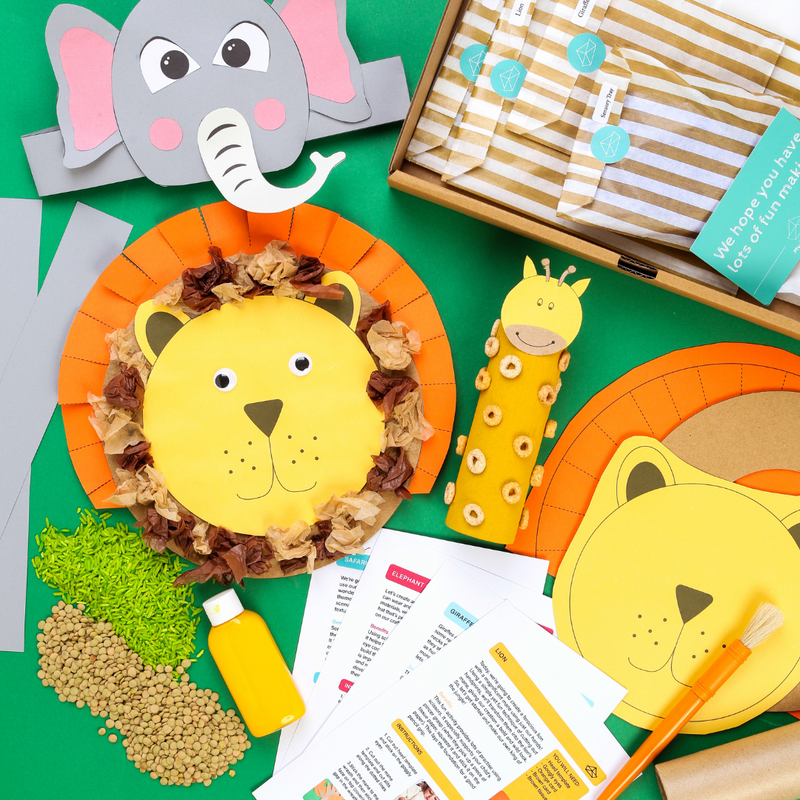
Featured kit
Make it easier with a kit
Every My Mini Maker activity kit includes a themed sensory tray alongside the crafts, with the filler, figures and tools already measured out and ready to go. No shopping list and no prep: open the box and play.
Why sensory play matters
Frequently asked questions
What age is sensory play suitable for?
What can I put in a sensory tray?
How do I make sensory play less messy?
Does sensory play require adult supervision?
Activity Library
Ideas, inspiration and simple ways to make more time for creativity together.


