


A Gentle Guide For Blowing Away Back To School Blues
The summer holidays are long, and by the end of them the idea of going back to school can feel daunting, whether your child is walking through the gates for the first time or returning after six weeks of freedom. Here is why that first morning back feels so big, how to help your child name the feelings behind it, and what you can do through the holidays to make September easier.
Why children struggle with going back to school
They enjoy being at home
Simple, innocent and rather sweet: many children really do enjoy being at home with you. Weeks without uniform, early alarms or school lunches, with Mum or Dad around every day, become the norm, and giving that up again is a lot. If you hear "I want to stay home" the night before or over breakfast, it is common and it passes, usually within days of being back with friends and teachers.
Out of touch with friends
Some children see plenty of friends over the summer; others have been away or busy with other things. In children's time, a week apart can feel like months, and friendships can feel intense. They may worry that they will have to make friends all over again or will not be let back into the group. It usually resolves itself in the first playtime, but it can come out beforehand as general apprehension.
Worrying about schoolwork
After weeks without lessons, brains have had a rest, and even children who love learning can feel nervous about switching back on. They may worry they have forgotten everything or will not keep up. It is natural, and it takes only a little time to get back into the swing.
Routine, independence and the unknown
For children up to about seven the change is especially intense. Summer days flow without a timetable; school has one. School also asks children to manage on their own, from asking to use the toilet to looking after their belongings, and a new classroom, teacher or set of faces brings worry about what lies ahead.
Name the feeling: a colour check-in
We love Anna Llenas's book The Colour Monster because it gives children a simple vocabulary for their inner world: emotions as colours, and the reassurance that feeling several colours at once is completely normal. Three ways to use it at home:
Ask the question. Start or end the day with "What colour are you feeling today?" It helps children tune in to what they feel and tells you what is going on underneath.
Validate every colour. There are no wrong emotions. If your child is feeling red about school, acknowledge it before you start helping them through it.
Model it. When you feel something strongly, talk it through out loud: "I'm feeling a bit red about the traffic, so I'm going to take three deep breaths and find my green calm."
This is not only comfort. A child who can name their black fear about playtime can ask for help making friends. Children who can say what they feel can tell teachers what they need, and children who understand that feelings pass develop ways of coping rather than being overwhelmed.
What you can do before September
Arrange activities with friends
A day out or a friend round for tea keeps friendships ticking over through the holidays. It sounds small, but it stops the distance growing in their head as the first day approaches.
Keep their brains playing
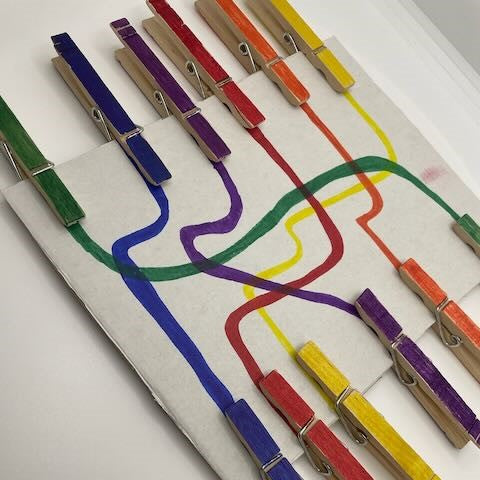
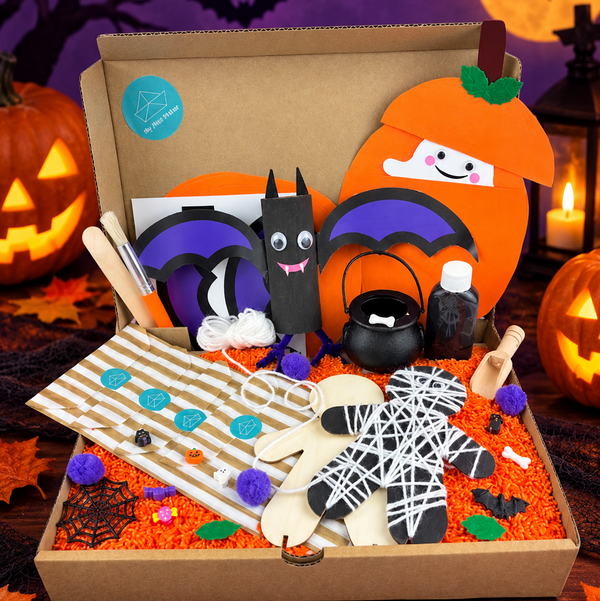
Holiday homework will never go down well, but learning that feels like fun will: baking, swimming, reading, and crafting. Our activity kits are designed with an early years professional to build coordination, planning and storytelling through play, and they work on the living room table, in the garden or on holiday. For free ideas, our activity ideas library has step-by-step guides with materials lists, and if you are new to crafting at home, start with how to get started crafting with toddlers.
Make feelings tangible
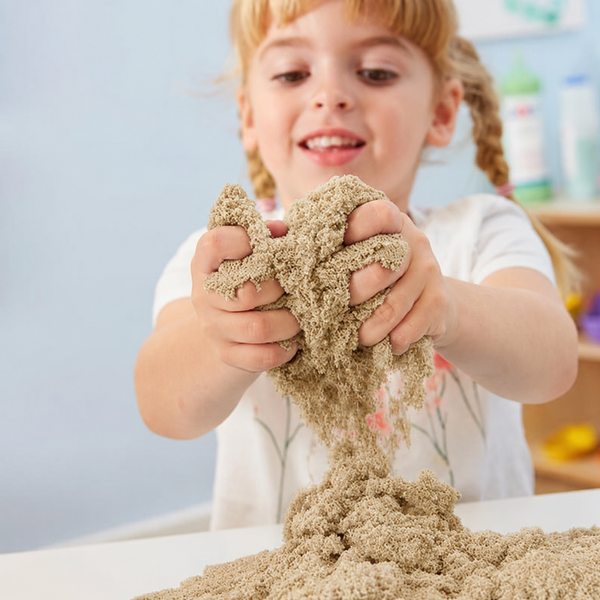
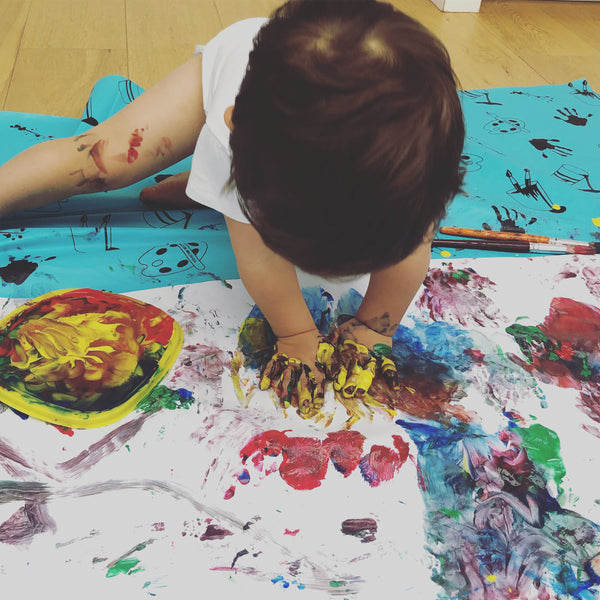
Sometimes children need more than words. Painting, sticking, sensory play and role play give feelings that are too big for language somewhere to go. A tray of kinetic sand after a hard day is one of the easiest ways we know to settle a wound-up child.
Make the return more fun
Going back is not only alarms and homework. Choosing a new rucksack, new pencils, a surprise in the lunchbox, a friend round to play after school, and conversations about what they are looking forward to all help turn the first morning into something to anticipate rather than dread.
Final thoughts
Returning to school after the summer is a challenge for many children, and some grumbling is inevitable. Keep in touch with school friends, keep learning playful, give feelings a name and an outlet, and focus on the fun parts. Within a few days they will be jumping out of bed and telling you about their day on the way home, and you will forget what the fuss was about.
Leave a comment